Stems and Leaves
The natural world can sometimes feel like nothing more than a wash of green. It takes a trained eye to observe the differences between plants. But once we see these differences they can’t be unseen, the patterns of these plants become as ingrained and unique as the face of a loved one.
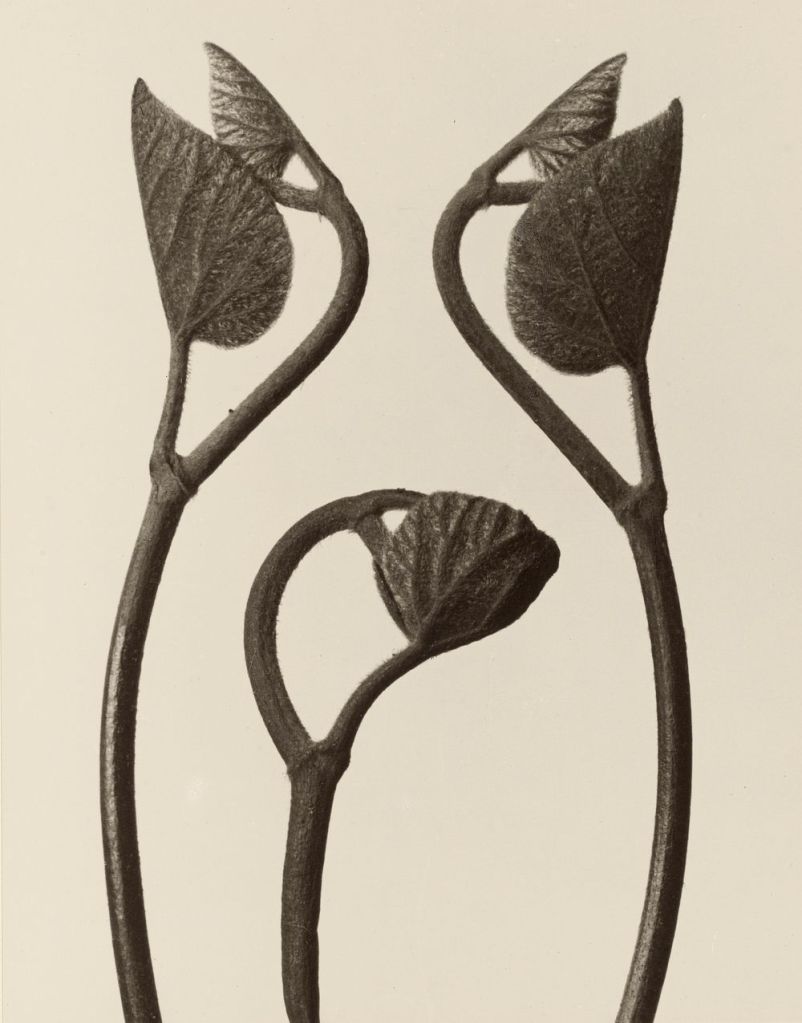
Original public domain image from Getty Museum
In the second session you will be looking at the parts of the plants that don’t call attention to themselves, the parts that remain invisible. But once these parts are seen the story of where they are from and how they survive becomes visible.
Part 1: Hidden Parts
To train our eyes we will use a technique special opps agents have used according to the teacher and naturalist, Tom Brown Jr.. Bring in a collection of plants parts: seedpods, stems, and leaves. have the students set these specimens in a certain order or positions. Other students will change these positions and the rest of the students will have to guess how the positions have been changed. This can be harder than it sounds.
Alternatively, Students will be asked to observe a collection of leaves, bark and flowers. These portions of the plants should be dried or fragmented to some extent. Have the students match these plants with pictures of the living plants. Ask the students what patterns they saw between the images and the pieces of plants. What made them match one plant to one image.
Talk about each of the specimens you brought in. What plants are they from? Why would one look so similar to another?
Part 2: Discussion
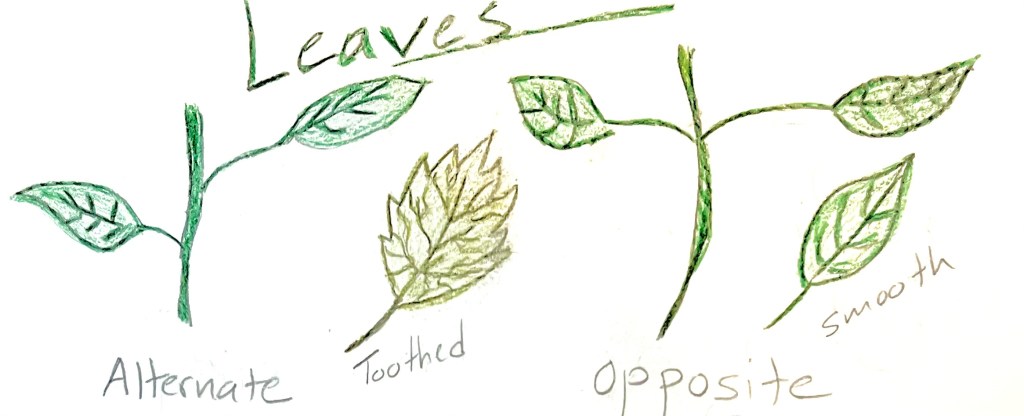
Now, it’s time to talk about stems and leaves. Bring in stems and leaves for students to look at. Have them write down why they think the stems and leaves are like this, and what their ecosystem is such that they have adapted in this very specific way. They will share their thoughts.
Give a few explanations: why do leaves look like other leaves? Why are there evergreen, glossy, holed, hairy, or deciduous leaves?
Plants protect themselves and manage the intake of sun, and water. The leaves and hairs do this. Some plants mimic other plants so that they look poisonous. Some trees change color in the autumn so they bring all the chlorophyl into their bodies allowing their leaves to drop. Some plants entirely die except for a vibrant root under the ground that will grow anew the following year.
Part 3: Research
Have your students research their plant. They can focus just on the note taking for now. Have them write notes on where the plant lives, what animals eat it. Have them describe each of its parts in detail. They should do research online through various sources and in guidebooks. Have the students list their sources and finish by drawing the plant.
Final Act: observe the seedlings and cuttings they planted on the first day, water if needed.
Sources:
The Light Eaters, Zoe Schlanger
The Coyote Guide, Tom Brown Jr.
 Bending Tree Education