It’s easy to get lost in the endless advice books and lists and structures. Writers (and I include myself in this), have wasted many precious hours of what could be writing, thinking. Sometimes my students get caught in thinking, letting their thoughts fill the page with empty without putting one letter down. We all know the tragedy of an untold, unread, unshared story.
I’m not saying that we need to write a bunch of crap for the sake of writing. Writing and crafting a piece is hard no matter how you slice it. And if it isn’t hard you can fall to your knees praising the muse for this small grace you have been handed, because the next time may not feel this pleasurable. A writer’s blessing and curse is that they will return, to pages and memories, a writer will return to the rhythm of language.
And I want to pause here at the rhythm. One of my favorite lessons is the lesson about genre. During these lessons I focus less on the step-by-step, the formulaic genre patterns that may or may not be interesting or well crafted by the author. I’m interested in the way genre feels on a page-by-page basis.
I usually review genre types and discuss how they feel, how they work, and then I have my students write a sentence and rewrite it imagining in several of the genres we have discussed. Here we learn that genre is more than just an action. We discuss the voice we imagine speaking the genre. Here I feel that voice and genre interlace, but genre has a particular texture to it that informs the voice of the writing. The voice of the writing, in other words, dances with genre.
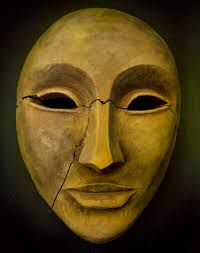
When we write genre we put on a mask. We can spend hours, days, and years studying the psychology of a character, understand each of the sacred archetypes that live or work with them, but we will not find satisfaction in the quality of our prose if we don’t consider the archetype of the overall voice.
I don’t think this has to be hard, and I don’t think it has to be formulaic. You may not even consider the genre until much later in the process, and you probably shouldn’t. But our work lives with other works, it was born from the voice of other books. The genre is the life of the book outside of the book. The story of the story. When you are writing a piece that involves technology or space, you are informing the cannon of science fiction whether you like it or not. I write fairy tales, and sometimes I take on a ‘fairy tale’ voice. Along with the characters and elements that are already within the story, sometimes this voice will guide me through the story.
I am always amazed at how well my students instinctively understand genre once we discuss it. It is an environment, an ecosystem that lives within each of us. It’s more than a character. It’s more than the setting. It’s in the air, and as a writer, we can hold our hand up and let the palm feel the texture of the prose, unspoken, unwritten, the feeling in the pauses and the rhythm of the cadence, and we can learn to wear the winds of genre.
 Bending Tree Education